There’s something special about the moment you start decorating your Christmas tree. Maybe you pull out the same ornaments you’ve loved for years, or perhaps you’re in the mood for a completely different color palette this holiday season. Either way, the colors you choose can shape how your living room feels throughout December.
That’s where Feng Shui Christmas Tree Colors and What They Symbolize becomes such an interesting part of holiday decorating. Instead of choosing ornaments simply because they match your sofa or look beautiful on Pinterest, you can explore the traditional meanings associated with different colors and use them to create a space that feels more intentional.
Do you want your Christmas tree to feel peaceful and understated? Warm and welcoming? Or perhaps a little more festive and glamorous?
The lovely thing about this approach is that there’s no need to start from scratch. A few thoughtful color choices can give your existing decorations a fresh sense of purpose.
How Feng Shui Christmas Tree Colors Influence the Feeling of Your Home
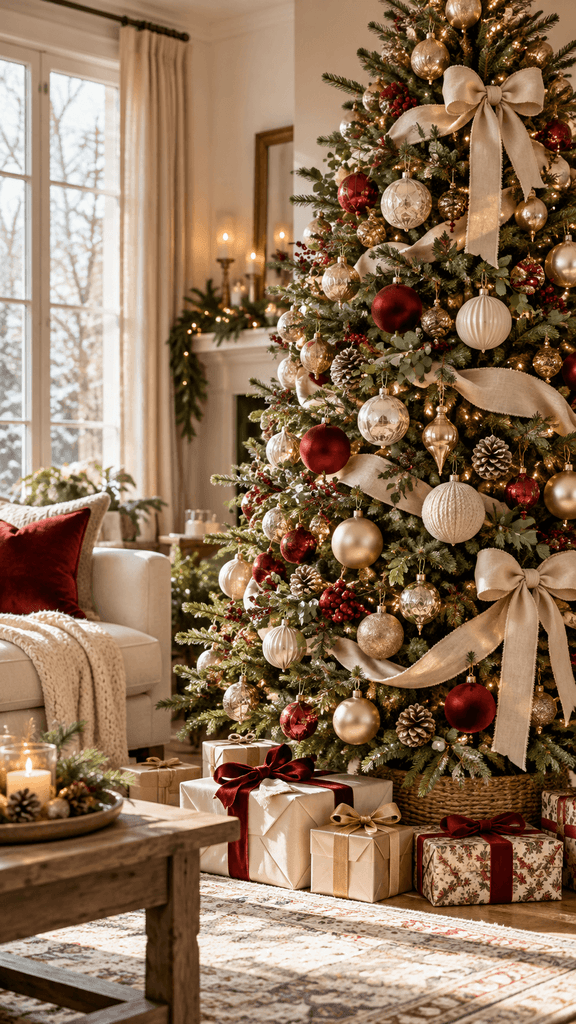
In traditional feng shui, colors are associated with the five elements: Wood, Fire, Earth, Metal, and Water. Each element carries symbolic qualities, and color is one of the ways those qualities can be expressed in a room.
A Christmas tree already has a strong connection to the Wood element because of its shape, greenery, and natural appearance. Adding ornaments, ribbons, and lights introduces other colors and materials, creating a layered combination of symbolic elements.
Of course, feng shui isn’t a scientifically established way to change your luck or guarantee a particular outcome. It’s better approached as a traditional design philosophy that encourages awareness of your surroundings, personal preferences, and the atmosphere you want to create.
Think about how different holiday displays make you feel. A tree covered in bright red ornaments has a completely different personality from one decorated with champagne ribbons and creamy white baubles. Neither is automatically better, but one might suit your home and your mood more naturally.
When exploring Feng Shui Christmas Tree Colors and What They Symbolize, the goal isn’t to follow a rigid decorating formula. It’s to understand the associations behind your favorite colors and decide which ones make your holiday home feel inviting.
Red Christmas Tree Decorations: Warmth, Joy, and Celebration
Red is one of the most recognizable Christmas colors, and it also has a meaningful place in feng shui. Traditionally connected with the Fire element, red symbolizes passion, vitality, visibility, and celebration.
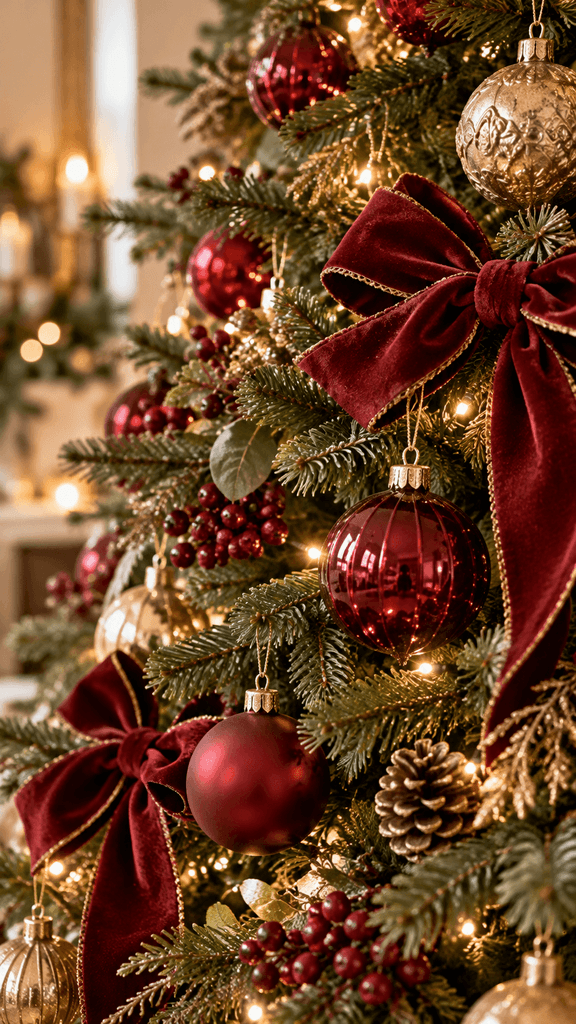
It’s easy to see why red feels so appropriate during the holidays. Picture a tree decorated with deep cranberry ornaments, velvet bows, and tiny warm-white lights. The overall look feels welcoming, especially in a living room with wooden furniture, soft blankets, and a glowing fireplace.
If you love traditional Christmas decorations but want something slightly more refined, try choosing burgundy or wine-red ornaments instead of mixing several bright red shades. Pair them with antique gold accents or natural greenery for a richer, more collected appearance.
You don’t need to cover every branch in red. Sometimes a handful of velvet bows or glossy red ornaments placed throughout the tree creates enough visual warmth without making the display feel busy.
Red can also become part of your wider holiday color story. If you enjoy coordinating your festive wardrobe with the atmosphere of your home, What to Wear for Christmas: 20 Chic Holiday Outfit Ideas offers inspiration for carrying those rich seasonal shades into your Christmas celebrations.
Green Christmas Tree Colors: Growth, Renewal, and Natural Balance
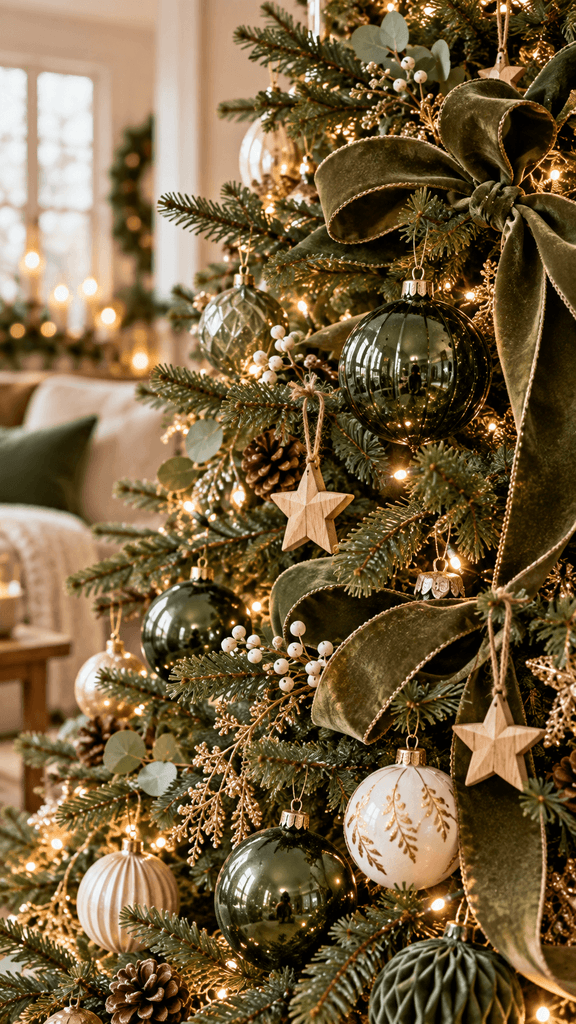
Green is closely associated with the Wood element in feng shui, representing growth, vitality, and renewal. Since most Christmas trees are already green, this is one of the easiest color directions to embrace without buying many additional decorations.
Rather than hiding the branches beneath layers of ornaments, let the natural greenery remain visible. Try combining forest-green glass baubles, olive velvet ribbon, and a few wooden ornaments for a subtle, nature-inspired look.
This works particularly well if your home already includes plants, linen fabrics, oak furniture, or other organic materials. The Christmas tree feels like a seasonal extension of your existing decor rather than a completely separate display.
For a little contrast, add cream-colored decorations or warm brass details. These small touches help distinguish the ornaments from the branches while preserving the calm, earthy character of the arrangement.
Gold and Silver Christmas Tree Colors: Elegance, Clarity, and Refinement
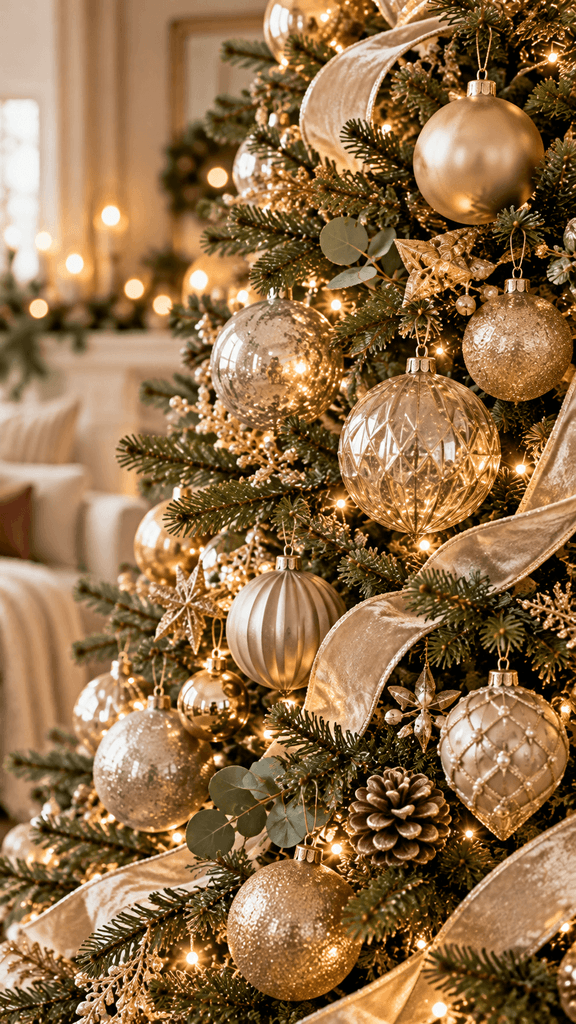
Gold and silver are associated with the Metal element in feng shui, which is traditionally linked with clarity, precision, and organization. In Christmas decorating, these metallic colors also introduce sparkle, reflection, and a sense of occasion.
Gold creates a particularly beautiful effect when paired with warm lighting. Imagine champagne ornaments, brushed gold stars, and softly glowing fairy lights against dark green branches. The result feels festive without needing an overwhelming amount of decoration.
Silver offers a cooler, more understated direction. Frosted silver baubles, delicate metallic ribbon, and translucent glass ornaments can give a tree a crisp winter atmosphere, especially in rooms with gray, white, or blue accents.
If you’re combining both metals, choose one as the dominant finish. For example, use mostly champagne gold ornaments with a few brushed silver details rather than an equal mixture of every metallic shade.
One small decorating trick is to mix shiny and matte finishes. The difference in texture adds depth and helps a metallic Christmas tree feel more personal and less like a perfectly coordinated store display.
White and Cream Christmas Tree Decorations: Simplicity and a Fresh Start
White is traditionally associated with the Metal element in feng shui and can symbolize clarity, simplicity, and a fresh beginning. Cream and ivory offer a softer variation that feels especially comfortable in relaxed holiday interiors.
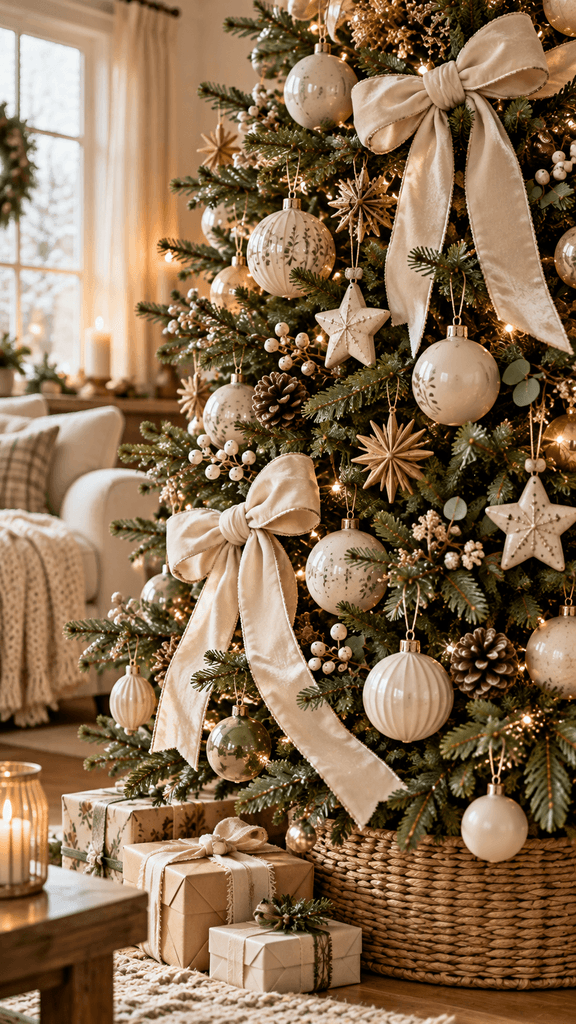
A white Christmas tree color scheme doesn’t have to feel cold or overly minimal. Imagine an evergreen tree decorated with ivory velvet bows, ceramic stars, pearl-finish ornaments, and warm-white lights. The different textures create interest even though the palette stays beautifully restrained.
This is a lovely approach for smaller living rooms, where a heavily decorated tree might make the space feel visually crowded. Keeping the ornaments within a narrow color family can make the arrangement feel lighter.
You can also introduce natural materials to soften the look. Wooden beads, linen ribbon, and a woven tree collar create contrast while maintaining the gentle atmosphere.
The key is to avoid making everything identical. A little variation between warm white, oatmeal, and soft cream often looks more inviting than using one bright white shade throughout.
Blue and Black Christmas Tree Colors: Calm, Depth, and Quiet Sophistication
In feng shui, blue and black are commonly associated with the Water element, which symbolizes flow, reflection, and depth. These colors may not be the first ones that come to mind for Christmas, but they can create a beautiful alternative to traditional red and green.
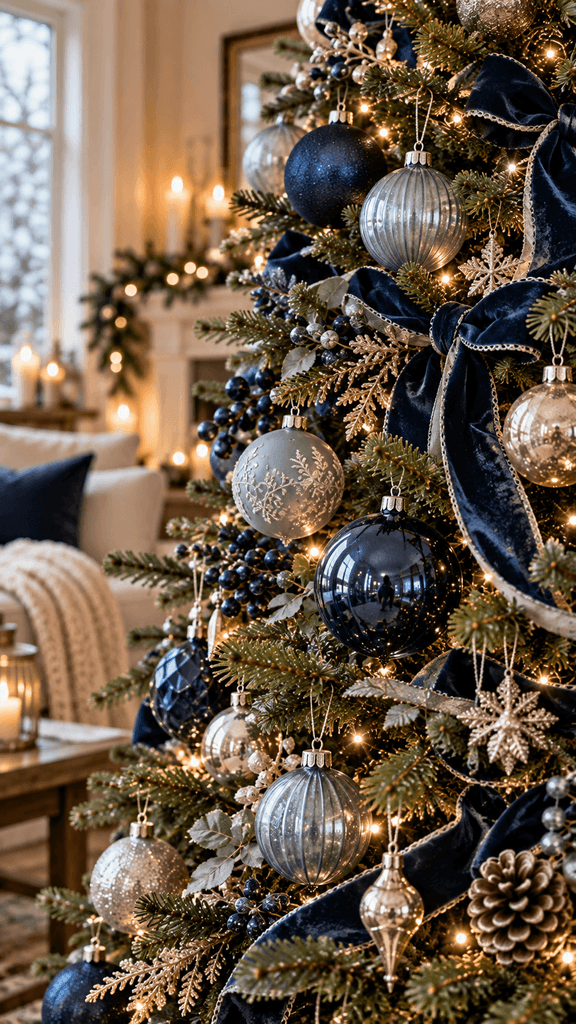
Deep navy ornaments look especially striking against evergreen branches. Add a few silver stars, smoky glass baubles, and soft white lights, and the tree takes on an elegant winter-evening quality.
Lighter blue shades create a different feeling. Dusty blue ribbon, pale blue glass ornaments, and pearl accents can make a room feel airy and relaxed, particularly when paired with natural wood and cream furnishings.
Black is best used thoughtfully if you want a softer holiday aesthetic. A few matte black ornaments mixed with bronze or champagne decorations can introduce contrast without making the tree feel too dramatic.
These colors are especially appealing if you prefer a modern Christmas decorating style but still want the warmth and character of a traditional evergreen tree.
Earthy Christmas Tree Colors: Comfort, Stability, and a Grounded Feeling
Earth tones are connected with the Earth element in feng shui, traditionally associated with stability, nourishment, and support. Think warm beige, sandy brown, muted yellow, terracotta, and other colors inspired by natural landscapes.
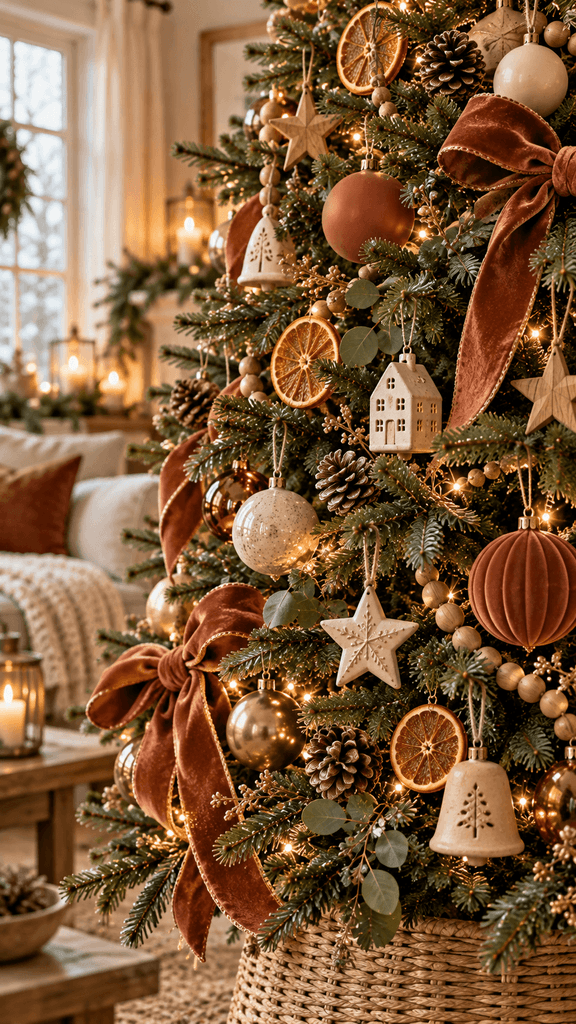
These shades are particularly lovely if you want your Christmas decorations to blend naturally with your home. A tree decorated with cinnamon-colored velvet bows, wooden ornaments, woven details, and soft amber lights can feel cozy without relying on traditional holiday colors.
Terracotta and warm brown also pair beautifully with evergreen branches. Add a few handmade ceramic ornaments or dried orange slices to give the display a more relaxed, personal character.
If you enjoy decorating with pieces you’ve collected over time, an earthy palette can make different ornament styles feel connected. Vintage wooden decorations, simple paper stars, and newer glass baubles can all work together when their colors share a similar warmth.
How to Combine Feng Shui Christmas Tree Colors Without Overdecorating
Understanding individual colors is helpful, but most Christmas trees look more interesting when two or three shades work together. Feng Shui Christmas Tree Colors and What They Symbolize can provide a starting point for choosing combinations that feel meaningful as well as visually balanced.
For a warm and traditional look, try deep red, muted gold, and natural green. If you prefer something peaceful, combine ivory, soft sage, and champagne. For a more contemporary tree, navy, silver, and warm white can create an elegant contrast.
A useful approach is to choose one main ornament color, one supporting shade, and one smaller accent. This gives the tree variety without making every decoration compete for attention.
You might already have everything you need. Spread your ornaments across a table before decorating, group them by color, and see which combinations appeal to you. Sometimes removing just a few pieces creates a more cohesive look.
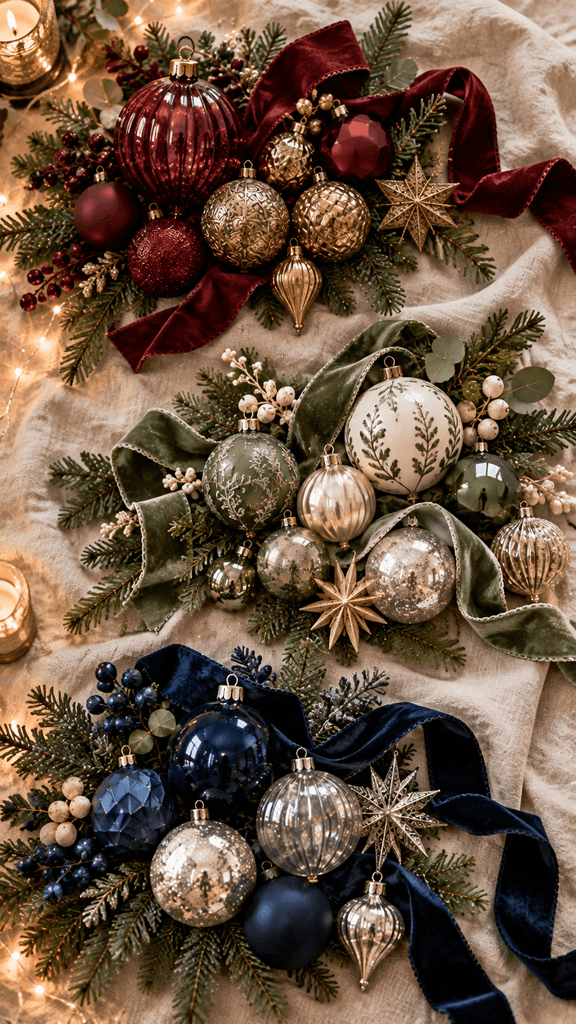
There’s also something satisfying about carrying one favorite color into smaller seasonal details. A burgundy-and-gold tree, for example, pairs beautifully with rich velvet textures, which is why Christmas Velvet Nails: 15 Rich Velvet Manicures for 2026 makes a lovely source of inspiration for a coordinated holiday look.
Choosing Christmas Tree Colors That Feel Right for Your Space
Before deciding on a color scheme, look around the room where your Christmas tree will stand. Notice the furniture, wall colors, natural light, and decorations you already enjoy.
A room filled with warm wood and creamy textiles may feel especially inviting with burgundy, bronze, or earthy ornaments. A brighter space with white walls and cooler finishes might suit silver, soft blue, or understated green.
Also consider how you use the room during the holidays. If it’s where everyone gathers for Christmas movies and relaxed evenings, warm colors and gentle lighting may feel especially welcoming. If it’s a quiet sitting room, a simpler palette might suit the atmosphere better.
Traditional feng shui also considers the location of objects within a home, but there isn’t one universal Christmas tree color that works for every room. The larger layout, the specific feng shui method, and your own preferences all influence how you might interpret color symbolism.
Above all, keep ornaments with sentimental value. A handmade decoration from years ago doesn’t need to match your palette perfectly to deserve a place on the tree.
Final Thoughts on Feng Shui Christmas Tree Colors and What They Symbolize
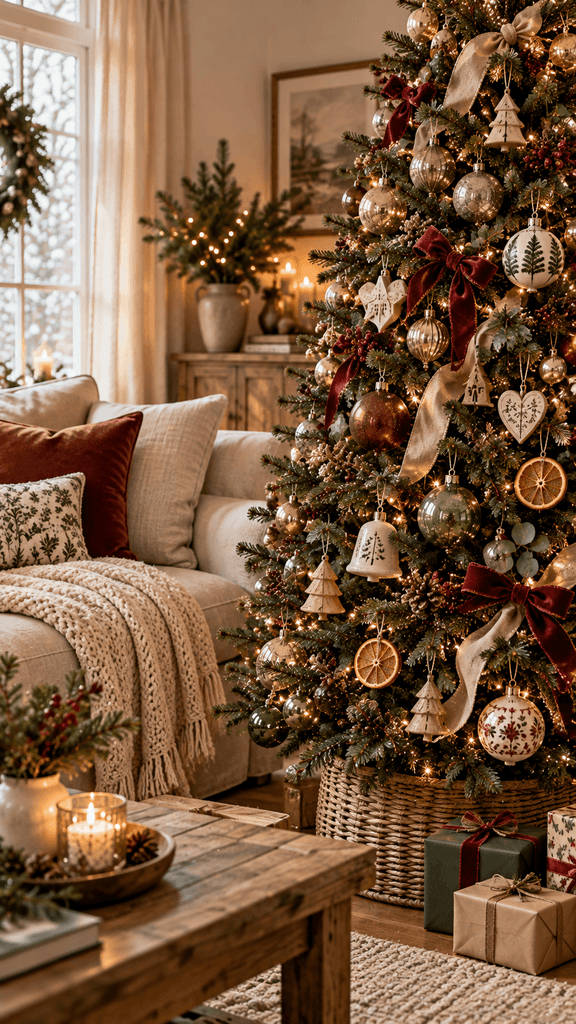
The most enjoyable part of exploring Feng Shui Christmas Tree Colors and What They Symbolize is discovering how familiar holiday decorations can take on a little more meaning. Red can suggest celebration, green can reflect renewal, and soft earth tones can bring a sense of comfort to your seasonal styling.
You don’t need to follow every traditional association or replace ornaments you’ve collected over the years. Start with a color you genuinely love, add one or two complementary shades, and pay attention to how the finished tree feels in your space.
Maybe this year that means trading bright ornaments for softer velvet ribbons. Or perhaps it means bringing back the nostalgic red decorations you’ve always loved.
A beautiful Christmas tree doesn’t have to be perfect. It simply needs to feel like a natural, welcoming part of the home where your holiday memories unfold.
And sometimes, choosing just one meaningful new color is enough to make a familiar Christmas tradition feel fresh again.